Source light weight plastic button eyeglasses for Racing, Entertainment, Gift
Compare 30 listings for light weight plastic button eyeglasses featuring PVC and PC frames with waterproof properties. Buyers can review customization options, lens diopters, and packaging details from suppliers in China.
Key considerations
Products List


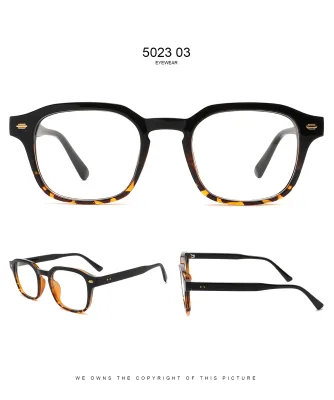
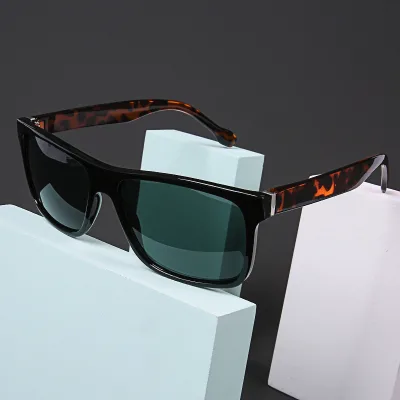
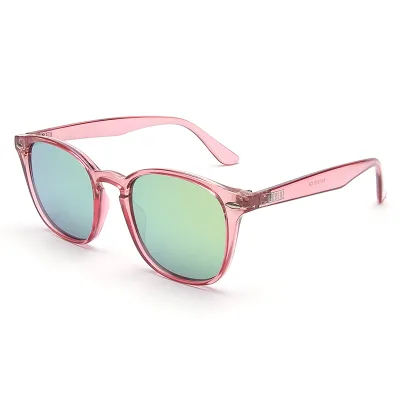
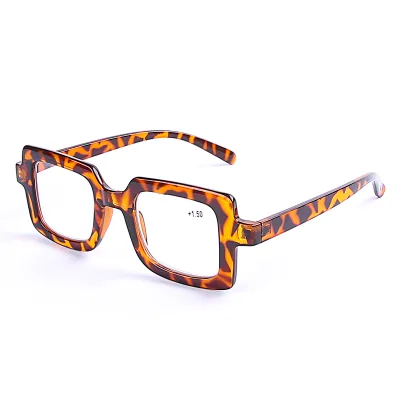


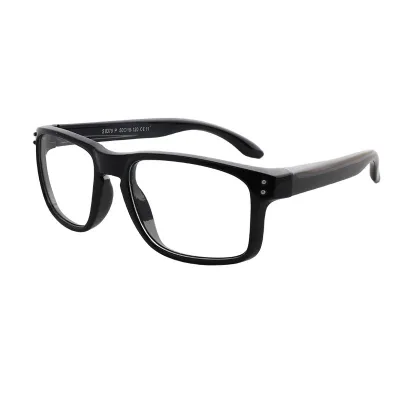
Comprehensive Sourcing Guide
Strategic Sourcing Guide for Light Weight Plastic Button Eyeglasses
The global market for optical eyewear continues to expand, driven by a demand for durable, affordable, and aesthetically versatile frames. For procurement professionals specifically targeting "light weight plastic button eyeglasses," the sourcing landscape presents a unique set of technical and logistical considerations. These products, often characterized by their specific frame materials and functional designs, require a rigorous evaluation process to ensure they meet both performance standards and commercial viability. This guide synthesizes observed market data and technical attributes to provide a structured approach for buyers navigating this category.
Understanding Material Composition and Frame Construction
The foundation of sourcing light weight plastic eyewear lies in understanding the specific materials utilized in frame construction. Market observations indicate a diverse range of materials, including PVC, PC (Polycarbonate), and various injection-molded plastics. These materials are selected primarily for their ability to reduce overall weight while maintaining structural integrity. For instance, products identified in the current supply base utilize PC and PVC, which are known for their impact resistance and lightness compared to traditional metal or acetate frames.
The manufacturing process often involves injection molding, a technique that allows for high precision and the creation of complex shapes, such as the "button" style mentioned in the core keyword. This method supports the production of frames that are not only lightweight but also capable of accommodating specific design features like full frames or rectangular shapes. Buyers must verify that the "plastic" designation aligns with the intended application; for example, some listings specify "Injection" as the frame material, while others list "PC" or "PVC." It is critical to distinguish between these variations, as they influence the frame's flexibility, durability, and resistance to environmental factors.
Furthermore, the structural design often includes features like non-integrated nose supports, which can contribute to the overall weight reduction and comfort profile. The frame shape is frequently rectangular, a style that offers a modern aesthetic suitable for various face shapes, including oval and square faces. When evaluating potential suppliers, procurement teams should request detailed material specifications to confirm that the plastic composition meets the required weight thresholds and mechanical properties for the intended use case.
Technical Specifications and Optical Standards
Technical specifications for light weight plastic eyeglasses extend beyond the frame material to include lens attributes and optical performance. The observed product data highlights a variety of lens types, ranging from demo lenses to specific optical classes. Some products are equipped with single-focal lenses, with diopter values spanning from +0.5 to +4.0, indicating their suitability for reading or general optical correction. Others are designed as fashion sunglasses, featuring UV protection and compliance with specific optical standards.
A critical aspect of the technical evaluation is the adherence to recognized safety and quality standards. The supply base includes products that reference standards such as CE, FDA, SGS, and specific regional norms like AS/NZS1067: 2003 and EN1836: 2005. These standards are essential for ensuring that the eyewear provides adequate protection against UV radiation and meets impact resistance requirements. Buyers should verify that the lenses are classified as "Optical class level" to guarantee visual clarity and safety.
Additionally, the physical dimensions and fit are vital technical parameters. Specifications often include size designations like "M" and specific model numbers such as 5875 or LW885594. The frame color options are extensive, with "All Color Available" being a common offering, alongside specific shades like Black and Blue. The ability to customize frame shapes and colors is a significant technical feature, allowing buyers to tailor products to specific brand identities or market preferences. When sourcing, it is imperative to cross-reference the listed model numbers and dimensions with the actual product samples to ensure consistency in fit and function.
Compliance, Certification, and Regulatory Verification
Navigating the regulatory landscape is a non-negotiable aspect of sourcing eyewear for international markets. The presence of certifications such as CE and FDA in the product data suggests that many suppliers are already aligned with major regulatory frameworks. However, buyers must treat these certifications as observations rather than guaranteed attributes for every unit. The verification process should involve requesting valid, up-to-date certification documents from the supplier, specifically checking for the scope of the certification to ensure it covers the specific product model and material composition.
The standards mentioned, including EN1836: 2005 for sunglasses and AS/NZS1067: 2003 for Australian and New Zealand markets, indicate a focus on impact resistance and optical quality. For products intended for the US market, FDA compliance is a key indicator of regulatory adherence. Buyers should also be aware of the "Optical class level" designation, which implies a certain threshold of lens quality and safety. It is recommended to conduct third-party testing to validate these claims, especially when importing into regions with strict optical safety regulations.
Furthermore, the "CE" marking is frequently observed, but its validity depends on the specific directive and the testing laboratory involved. Procurement teams should ensure that the supplier can provide a Declaration of Conformity that links the product to the specific standard. This due diligence helps mitigate the risk of non-compliance, which can lead to product recalls, legal liabilities, and reputational damage. The presence of "SGS" certification further reinforces the need for independent verification of product quality and safety.
Cost Drivers and Pricing Dynamics
The pricing of light weight plastic button eyeglasses is influenced by a complex interplay of factors, including material costs, manufacturing complexity, and order volume. The observed price range in the market spans from $0.35 to $10.00 USD, reflecting the wide variety of product qualities and specifications available. Lower-priced items typically correspond to basic models with standard materials and minimal customization, while higher-priced units often feature advanced optical properties, premium finishes, or complex customization options.
Order volume plays a significant role in determining the final cost. The Minimum Order Quantity (MOQ) ranges from 1 to 5,000 units, offering flexibility for both small-scale testers and large-scale distributors. Suppliers often provide tiered pricing structures where the unit cost decreases as the order volume increases. This is particularly relevant for buyers seeking to optimize their procurement budget while maintaining product quality.
Customization is another major cost driver. The availability of "Customized" options, including frame shape, color, and branding (OEM orders), adds value but also increases the production cost. Buyers must balance the desire for unique branding with the budget constraints of the project. Additionally, packaging requirements, such as "Original Package" or specific carton sizes (e.g., 832755cm for 300 pieces), can impact the overall logistics cost. Understanding these variables allows buyers to negotiate more effectively and forecast their total cost of ownership accurately.
Typical Applications and Market Segmentation
Light weight plastic button eyeglasses serve a diverse range of applications, catering to various consumer needs and market segments. The observed usage categories include racing, entertainment, and gifting, highlighting the versatility of these products. In the racing sector, the lightweight nature and durability of PC or PVC frames are essential for safety and comfort during high-speed activities. For entertainment and general use, the aesthetic appeal and comfort of the frames make them suitable for casual wear.
The market also includes a strong segment for optical correction, with products designed for reading, sports, and general optical use. The availability of specific diopter values (+0.5 to +4.0) indicates a focus on presbyopia and vision correction needs. Furthermore, the "Unisex" suitability and various face shape accommodations (oval, square) broaden the market reach, making these eyeglasses accessible to a wide demographic.
Gifting is another significant application, driven by the customizable nature of the frames and the attractive packaging options. The ability to offer "All Color Available" and custom shapes allows buyers to create unique gift sets that appeal to specific consumer preferences. Understanding these application areas helps buyers align their sourcing strategy with the specific demands of their target market, ensuring that the products they source meet the functional and aesthetic expectations of the end-users.
Supplier Evaluation and Quality Control Protocols
Selecting the right supplier is critical for ensuring the consistency and quality of light weight plastic eyeglasses. Buyers should evaluate suppliers based on their production capabilities, quality control systems, and adherence to the standards discussed earlier. The observation of "Xiamen, China" as a production origin suggests a concentration of manufacturing expertise in this region, known for its optical industry infrastructure. However, buyers should not assume that all products from this location meet the same quality standards; verification is essential.
Quality control protocols should be a primary focus during the supplier evaluation process. This includes checking for in-process inspections, final product testing, and adherence to the specified standards like CE, FDA, and SGS. Buyers should request samples to verify the physical attributes, such as the "Slim" style, "Rectangular" shape, and "Non-Integrated" nose support. Additionally, testing for UV protection and impact resistance is crucial to ensure the product meets safety requirements.
The supplier's ability to handle customization is another key evaluation criterion. The availability of OEM orders and the flexibility to customize frame shapes and colors indicate a supplier's capacity to meet specific buyer requirements. Buyers should assess the supplier's lead times and production capacity to ensure they can meet demand fluctuations. Establishing a clear communication channel and setting expectations for quality assurance is vital for a successful long-term partnership.
Long-Term Procurement Considerations and Sustainability
Sourcing light weight plastic eyeglasses is not just a transactional activity but a strategic decision that impacts long-term business operations. Buyers should consider the sustainability of the materials used, as the industry is increasingly moving towards eco-friendly options. While the current data highlights PVC and PC, future sourcing strategies might benefit from exploring biodegradable or recycled plastic alternatives to align with global sustainability goals.
Supply chain resilience is another critical consideration. The observed lead times and production locations, such as Xiamen, China, should be evaluated in the context of global logistics and potential disruptions. Diversifying the supplier base and maintaining a buffer stock can help mitigate risks associated with supply chain interruptions. Additionally, buyers should plan for the lifecycle of the product, considering factors like warranty, after-sales support, and the potential for product updates or iterations.
Finally, the long-term relationship with suppliers should be built on mutual trust and transparency. Regular audits, performance reviews, and collaborative innovation can help both parties adapt to changing market conditions. By focusing on these strategic elements, buyers can ensure a stable and efficient supply chain that supports their business growth and meets the evolving needs of their customers.
FAQs
What materials are used for light weight plastic button eyeglasses?
These eyeglasses are constructed from materials like PVC, PC, and injection-molded plastics. Some frames also incorporate stainless steel or copper alloy components to ensure durability while maintaining a lightweight profile for comfortable daily wear.
Can I customize the frame shape and color for these glasses?
Yes, customization is available for frame shapes and colors, including options for rectangular styles. Buyers can request OEM orders with specific branding, allowing for tailored designs that meet unique market preferences or brand identity requirements.
Which certifications do these eyeglasses typically meet?
Products often comply with standards such as CE, FDA, SGS, and EN1836. These certifications ensure the eyewear meets safety requirements for UV protection and impact resistance, which are critical for both optical correction and fashion sunglasses.
What is the price range for ordering light weight plastic button eyeglasses?
The observed price range spans from 0.35 to 10 USD per unit depending on specifications. Costs vary based on material quality, customization levels, and order volume, with tiered pricing often available for larger quantities.
How do I find suppliers with specific MOQ requirements?
Suppliers offer Minimum Order Quantities ranging from 1 to 5000 units to accommodate different buyer needs. This flexibility allows small testers to start with minimal orders while large distributors can secure bulk inventory at competitive rates.
Where are these eyeglasses typically manufactured?
Most products originate from Xiamen, China, a region known for its optical industry infrastructure. Buyers should verify specific factory locations and lead times to ensure timely delivery and consistent quality control for their procurement projects.